Mold Removal in Opelousas, LA
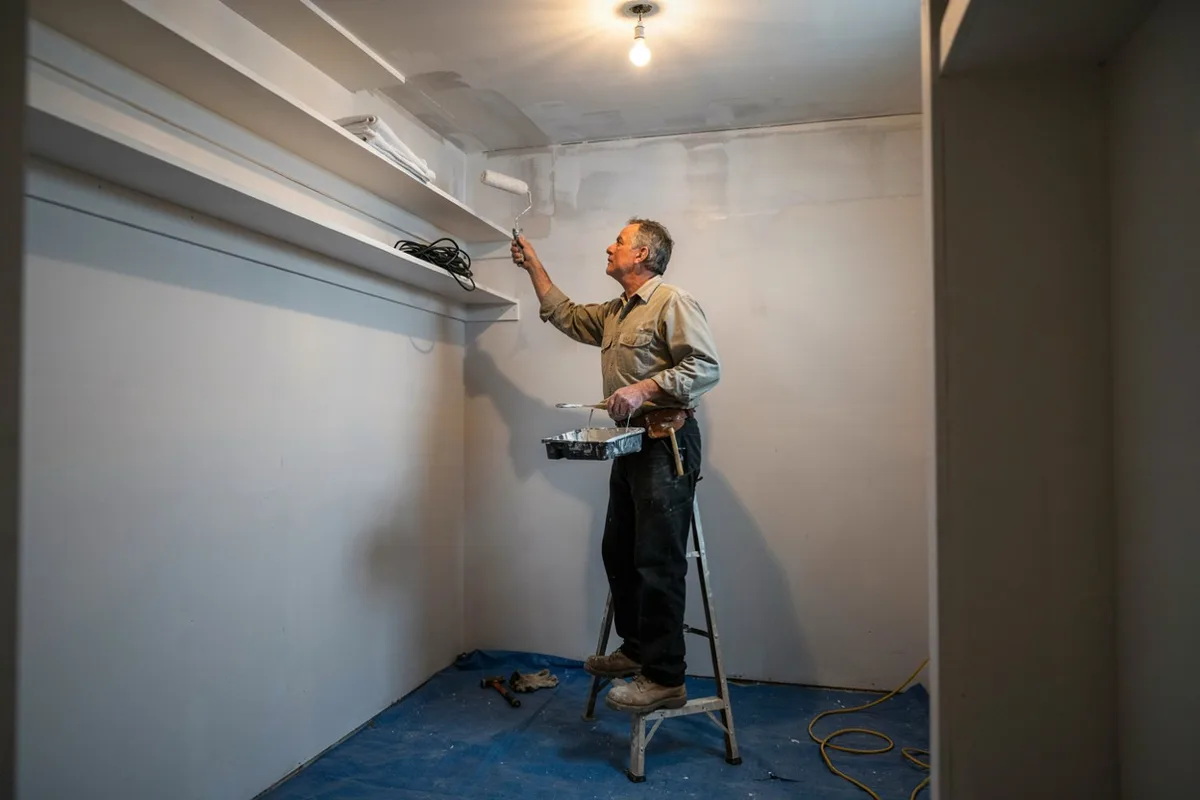
Opelousas is one of the oldest towns in Louisiana, twenty-some miles north of Lafayette on I-49, with a historic core of raised houses and a large stock of 1950s and 60s slab houses around it. The ground here is a little higher than the Vermilion basin, so flooding from below is less of the story; the story is age — old roofs and old plumbing inside old walls.
We remove mold in Opelousas. Call and tell us what you see or smell and what got wet. If we’re available you’re connected while you’re on the line; if we’re working, you get a callback slot and the number to watch for.
Mold in Opelousas
The older raised houses bring crawl space mold remediation when a musty smell settles into the floor. The mid-century slab houses bring mold removal from a supply line seeping inside a wall for years, and bathroom mold removal from fifty-year-old shower pans. Roof leaks on the older rooflines end up as attic mold remediation when the decking has gone dark along an eave.
Found Mold In Opelousas? Call Us
Describe where you see it, what got wet, and how long ago. We remove mold; we don’t test.
See a stain that keeps spreading in Opelousas? Call and describe it.
Services Available in Opelousas
Mold Odor Removal
A musty smell in one room, or through the whole house when the air conditioning starts, has a source. We find the growth that makes it and take it out — no sprays, no cover-ups.
Mold Removal
Growth on drywall, a ceiling, a closet wall, or behind a cabinet after a roof or plumbing leak. Contained, cut out, cleaned, and dried before the wall closes back up.
Black Mold Removal
Greenish-black patches on drywall, ceiling tile, or paper that stayed wet a long time. The color doesn’t change the basic problem — the wet material comes out either way.
Whole-Home Mold Remediation
After a flood, a long-running leak, or a house left shut up damp for a season, growth in several rooms gets one plan: containment, removal, and cleaning, room by room.
Attic Mold Remediation
Dark roof decking and rafters from a slow roof leak, a bath fan blowing into the attic, or a sweating air handler on its platform. Cleaned in place with the attic sealed off from the house.
Bathroom Mold Removal
The ceiling over the shower, the wall behind the tub, the floor of the vanity cabinet. Small rooms that never fully dry, and removal that holds once the water is under control.
HVAC and Duct Mold Remediation
Musty air every time the system runs, or a dark ring around one supply vent. Growth at the coil, in the plenum, or in wet insulated duct — cleaned or replaced so the system stops spreading it.
Crawl Space Mold Remediation
Older raised houses in Freetown, the Saint Streets, and the Teche towns sit over air that never dries. Joists and subfloor cleaned, wet insulation out, and the space set up to stay drier.